I wore out a $200 wallet in 6 years. Here's what I'd buy if I started over.

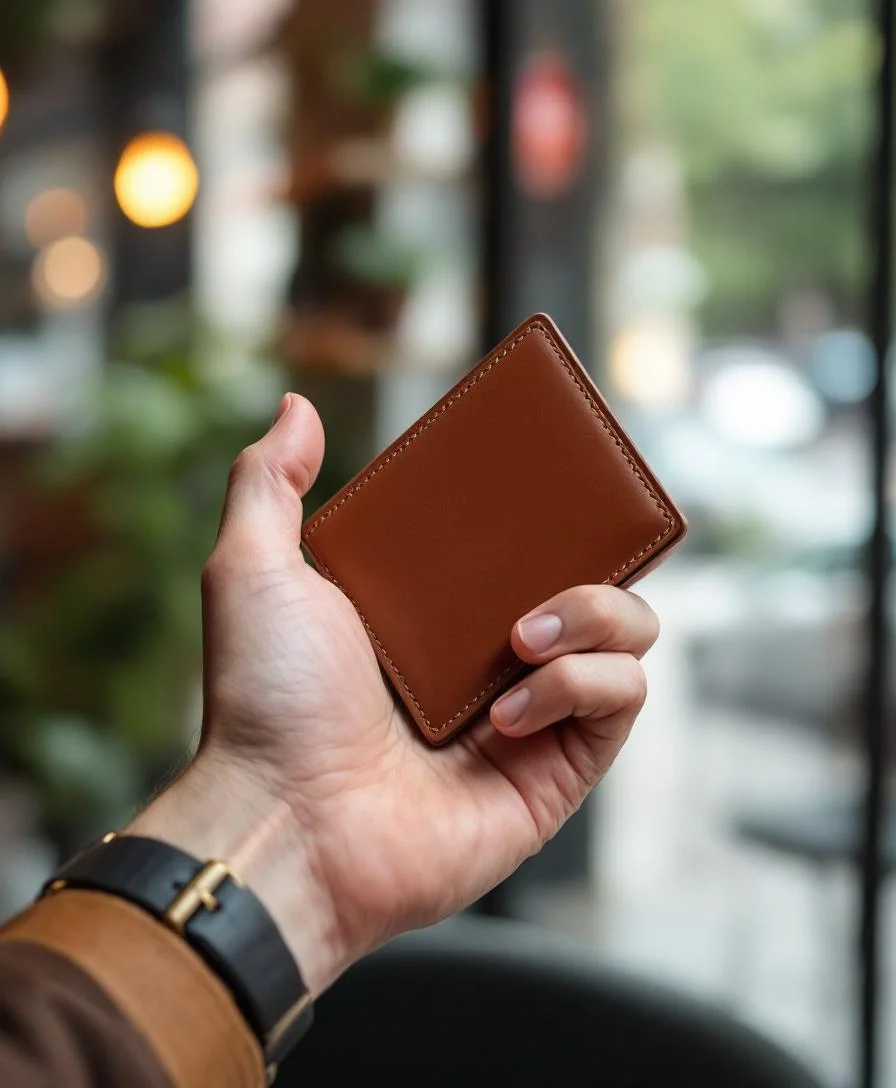
The first wallet I ever bought with my own money cost forty dollars at a department store in 2008. It was bifold, bonded leather, and within eight months it had split along the seam. I replaced it with a Tumi, which felt like a serious upgrade — until I realized I was carrying around a small brick in my back pocket and my chiropractor had something to say about it.
Then came the cycle most guys go through. Saddleback. Bellroy. Then the Ridge, when minimalist metal wallets had their moment. Then back to leather. Then a no-name "tactical" thing my brother gave me for Christmas. I'm now thirty-eight years old and somewhere in a drawer at my mother's house there are probably seven retired wallets, half of them with the leather still good but the stitching gone, the rest with the stitching still good but the leather cracked.
What I've learned, after fifteen years of buying wallets with the kind of seriousness most men reserve for car shopping, is that the wallet you actually want is almost never the wallet you think you want when you start looking.
The Ridge: brilliant idea, wrong shape
I owned a Ridge for about two years. It is — and I mean this — a brilliantly engineered object. The plate-on-plate construction is genuinely innovative. RFID-blocking out of the box, holds a lot of cards for its size, looks great on Instagram. Two issues:
First, the cash strap is an afterthought. Carrying cash on a Ridge is like carrying water in a paper bag — it works, kind of, until it doesn't. Second, and this is the part nobody mentions in reviews: aluminum wallets get cold in winter and hot in summer. They warm to your body, but for the first thirty seconds of pulling it out of your pocket on a January morning, you're touching an icicle. It sounds petty until you've done it three months in a row.
Bellroy: nailed the design, undershot the leather
The Bellroy Hide & Seek was, for about four years, my daily carry. It deserves its reputation — the design is genuinely thoughtful. The "hidden" pocket for emergency cash. The proportions. The way it lays flat. I have nothing but praise for the design choices.
What I'd quibble with is the leather. Bellroy uses environmentally-certified leather from a Gold-rated tannery, which is great. But after about year three, the leather started to look tired. Not patina-tired. Just worn-out tired. The corners frayed. The cash pocket developed a permanent crease that looked less like character and more like fatigue. By year five, when I retired it, it looked older than its actual age.
This isn't a Bellroy problem so much as it's a price-point problem. At $79, they can't use top-tier leather. They use the best leather available at that price, and that's an honest tradeoff — but it means the wallet ages like a $79 wallet, not like an heirloom.
Where I ended up
This is the part of the article where I'm supposed to say "after extensive testing, I recommend..." and link to whatever product the sponsor wants. So let me be transparent: this piece is sponsored by Hawkside Goods. They came to us; we wrote what we wanted to write. I've been carrying their Mark wallet for the last three months alongside my retired Bellroy for comparison.
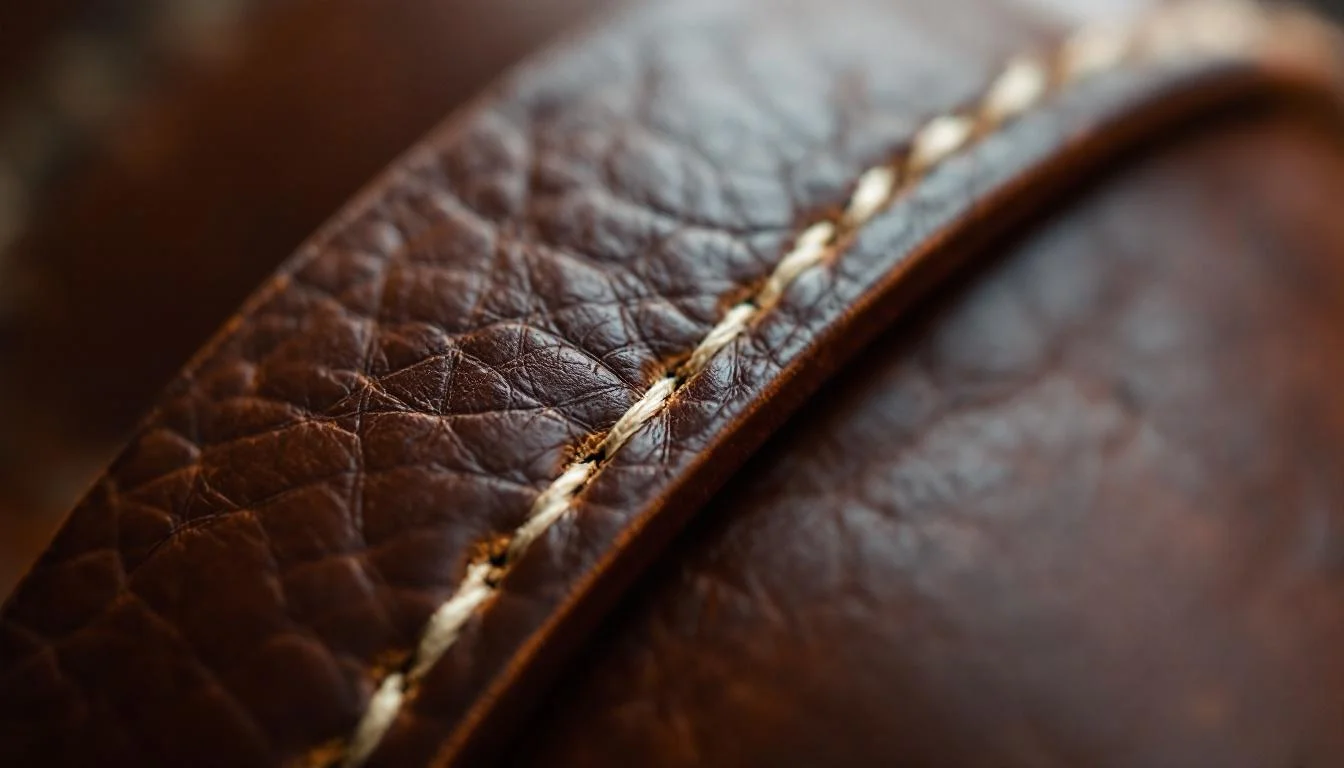
What's different about the Hawkside is the leather. They use full-grain Italian leather from Conceria Volpi — a Tuscan tannery that's been around since 1956. This is the same caliber of leather that the high-end Italian leather brands use in their $400+ wallets. The reason Hawkside can charge $89 for a wallet using that leather is that they don't have a retail presence, no department store markup, no celebrity ambassador, and the workshop is a six-person operation in Lewes, Delaware.
I've been carrying it daily for ninety-two days. It holds eight cards comfortably, with the cash strap doing what a cash strap should do (holding cash). The leather has begun the slow burnish that good leather does — it's about a shade darker now than it was when it arrived. The stitching, which I've been monitoring because I burn out stitching faster than anyone I know, is still tight everywhere.
The wallet itself is almost beside the point. What I'm endorsing is the absence of wallet replacement anxiety — the low-grade dread of knowing you'll be buying another one in two years.
How they stack up, honestly
Here's how the three wallets I've owned over the last seven years compare, with the caveats that this is one person's experience and the only wallet I've owned for less than four years is the Hawkside:
The Hawkside is the one I'd buy if I were starting over today. The "I already bought a second" line is not editorializing — I bought a black one for my brother for his birthday two weeks ago.
The Mark Wallet — Walnut, Onyx Black, or Cognac
Full-grain Italian leather, hand-stitched in a six-person workshop in Lewes, Delaware. Holds 12 cards plus cash. 9mm slim. Lifetime stitching warranty, 30-day returns. $89 single, $159 for two, free shipping over $75.
See The Mark Wallet →The bigger thing about wallets
The thing about wallets — and this is probably true of most of the small daily-carry objects in your life — is that the move from "fine" to "good" is much bigger than the move from "good" to "great." A $40 wallet is fine. A $90 wallet is genuinely better in ways you'll notice every day. The jump from $90 to $300 is real, but it's the kind of difference you have to be looking for.
If you're carrying something that splits along the seam, frays at the corners, or makes you wince when you sit down on it: it's worth replacing. The right wallet, for the next ten years, is probably eighty or ninety dollars from a small shop that uses the kind of leather that actually ages.
Full disclosureThis article is a paid advertorial produced in partnership with Hawkside Goods, and contains links to the sponsor's commerce site. Hawkside Goods did not have copy approval prior to publication. The author's product opinions reflect personal experience over the carry period stated; individual results, preferences, and durability outcomes will vary. Pricing and product details current as of publication date and may change.